If you're trying to decide between nicotine pouches and vaping, you're comparing two very different ways to get nicotine without smoking. Both eliminate combustion and tar. Both are considered less harmful than cigarettes. But they differ in how nicotine is delivered, how they feel, where you can use them, and what long-term commitment looks like. This guide breaks down the real differences so you can decide which fits your life.
How nicotine delivery differs
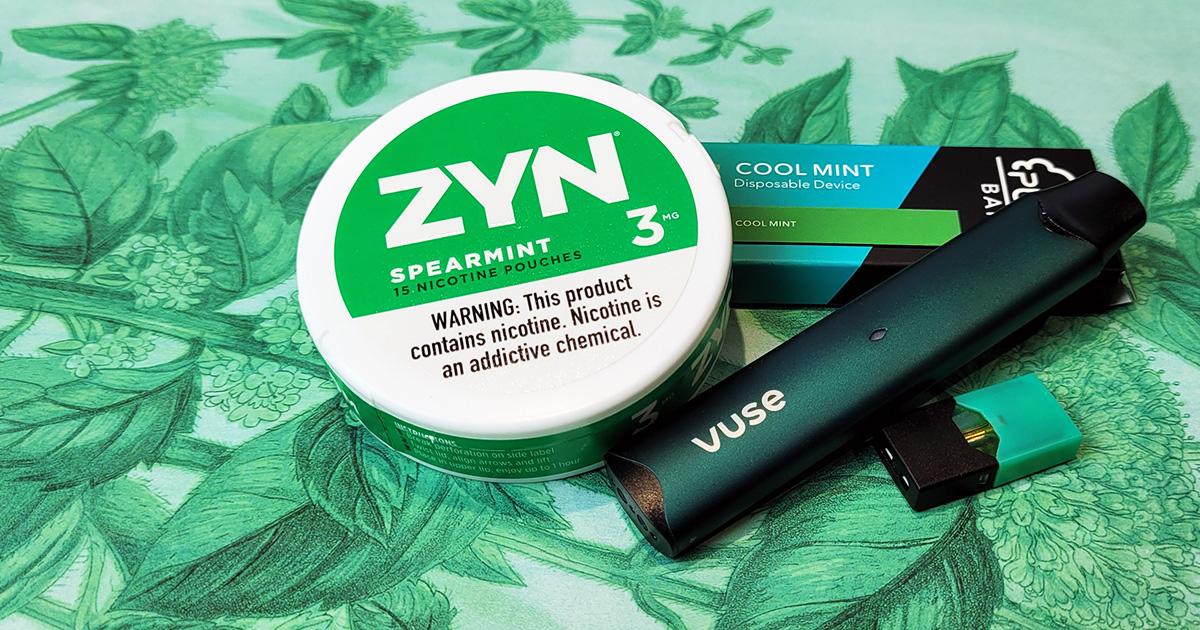
Vaping delivers nicotine through the lungs. You inhale an aerosol, nicotine absorbs through lung tissue, and it reaches your brain within seconds. The hit is fast and sharp, similar to smoking. This is why many smokers find vaping an effective replacement. The speed of delivery also means nicotine levels spike quickly and drop off, which can lead to frequent use throughout the day.
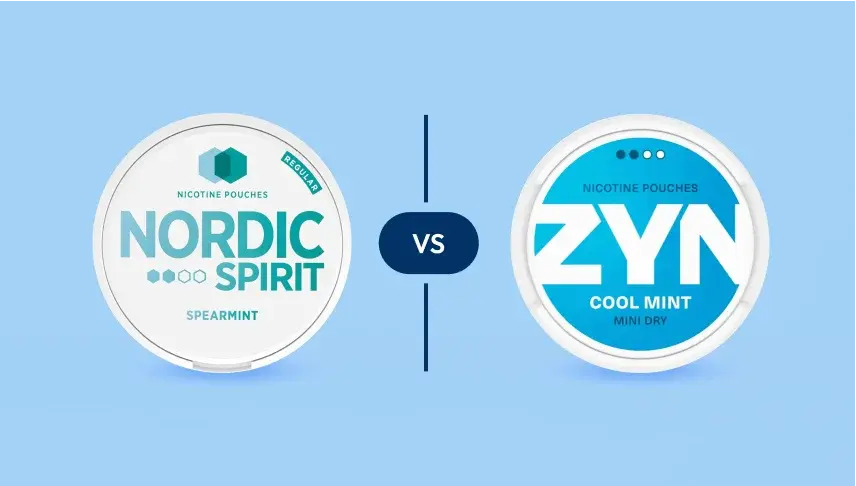
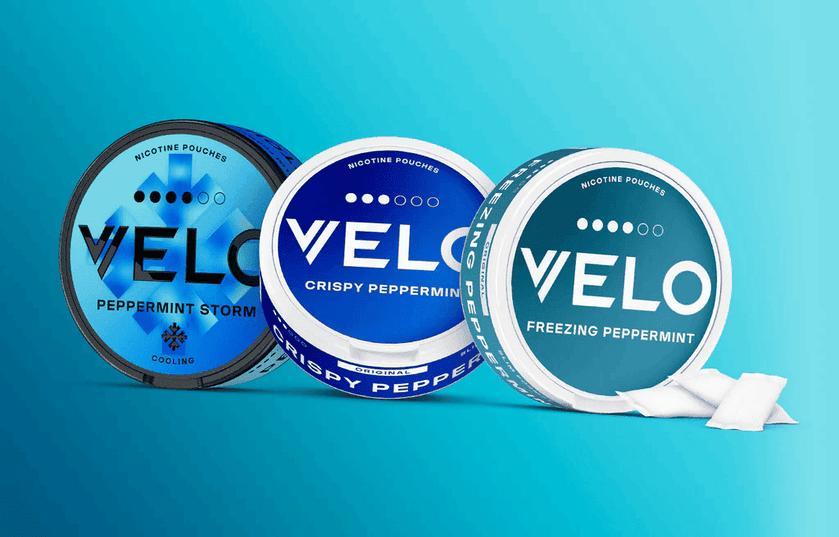
Nicotine pouches deliver nicotine through the gums. You place a pouch under your lip, and nicotine absorbs through the oral mucosa over 20 to 60 minutes. The onset is slower and the curve is flatter. Instead of a sharp spike, you get a gradual rise that holds steady before tapering off. Many users describe this as smoother or cleaner than vaping.
The practical difference is that vaping feels more like smoking in terms of rhythm and ritual, while pouches feel more like a background nicotine source that doesn't demand attention.
Health considerations
Both vaping and nicotine pouches are generally considered less harmful than smoking because they eliminate combustion. Burning tobacco creates tar, carbon monoxide, and thousands of toxic byproducts. Neither vaping nor pouches involve burning anything.
Vaping still involves inhaling substances into the lungs. The aerosol contains propylene glycol, vegetable glycerin, flavorings, and nicotine. While this is far less harmful than smoke, the long-term effects of inhaling these substances daily for decades are not yet fully understood. Some studies have raised concerns about lung irritation and cardiovascular effects.
Nicotine pouches involve no inhalation at all. The main exposure is oral, with nicotine absorbing through gum tissue. The primary concerns are gum irritation, potential oral health effects from prolonged use, and nicotine addiction itself. Because there's no lung involvement, some users consider pouches a lower-risk option, though long-term data is still limited for both categories.
Neither option is risk-free. Both contain addictive nicotine. But both represent significant harm reduction compared to smoking.
Convenience and discretion
Nicotine pouches win on discretion. A pouch sits invisibly under your lip. There's no vapor, no smell, no device, and no need to step outside. You can use a pouch in meetings, on planes, in hospitals, at your desk, or anywhere else without anyone knowing. The only tell is occasionally adjusting the pouch with your tongue.
Vaping is more visible. Even small pod devices produce vapor clouds, and the smell, while not as persistent as cigarette smoke, is noticeable. Many workplaces, public spaces, and transit systems ban vaping alongside smoking. You often end up standing with the smokers outside.
For users who want nicotine without any lifestyle interruption, pouches offer a level of discretion that vaping cannot match.
Cost comparison
Vaping has higher upfront costs but can be cheaper long-term depending on usage. A basic pod system costs 20 to 50 dollars, and replacement pods or liquid run roughly 15 to 30 dollars per week for moderate users. Heavy users spend more. Devices also break, get lost, or need replacement every few months to a year.
Nicotine pouches have no device cost. A can typically costs 4 to 7 dollars and contains 15 to 20 pouches. A can-a-day user spends roughly 30 to 50 dollars per week. Light users who go through a can every two or three days spend significantly less.
The cost comparison depends heavily on individual usage patterns. Light vapers may spend less than heavy pouch users, and vice versa. Neither option is dramatically cheaper than the other for typical users.
Ritual and satisfaction
Many former smokers miss the ritual of smoking. The hand-to-mouth action, the inhale, the visible exhale, the breaks throughout the day. Vaping preserves much of this ritual. You still hold something, you still inhale, you still see vapor. For some users, this makes vaping more satisfying as a smoking replacement.
Nicotine pouches eliminate the ritual entirely. There's nothing to hold, nothing to inhale, and no visible output. Some users find this liberating because it breaks the behavioral addiction alongside the chemical one. Others find it unsatisfying because the experience feels passive.
If you want something that mimics smoking, vaping is closer. If you want to break free from the ritual entirely, pouches force that separation.
Social perception
Vaping carries social baggage in some circles. The association with huge cloud-chasing devices, teenage use, and certain subcultures can create awkward moments depending on your environment. Many workplaces and social settings view vaping similarly to smoking, even if the health risks differ.
Nicotine pouches are largely invisible and carry less stigma because most people don't know you're using them. There's no cloud, no smell, and no device. The discreet nature means you avoid most social friction entirely.
For professional settings or situations where you don't want to explain your nicotine habits, pouches create fewer complications.
Dependency and quitting
Both vaping and pouches can create nicotine dependency. The faster delivery of vaping may create stronger acute cravings, while the constant availability of pouches may lead to more continuous low-level use. Neither is inherently easier to quit than the other.
Some users find pouches easier to taper down because you can choose progressively lower strengths. Others find the hand-to-mouth ritual of vaping harder to break even after reducing nicotine levels. Quitting either one still means quitting nicotine, which is the core challenge.
If your goal is eventually quitting nicotine entirely, both options can work as stepping stones from smoking. Neither has a clear advantage for cessation.
Flavor variety
Vaping offers more flavor variety. E-liquids come in thousands of flavors across every category imaginable, from tobacco and menthol to desserts, fruits, candies, and drinks. If flavor exploration is important to you, vaping provides endless options.
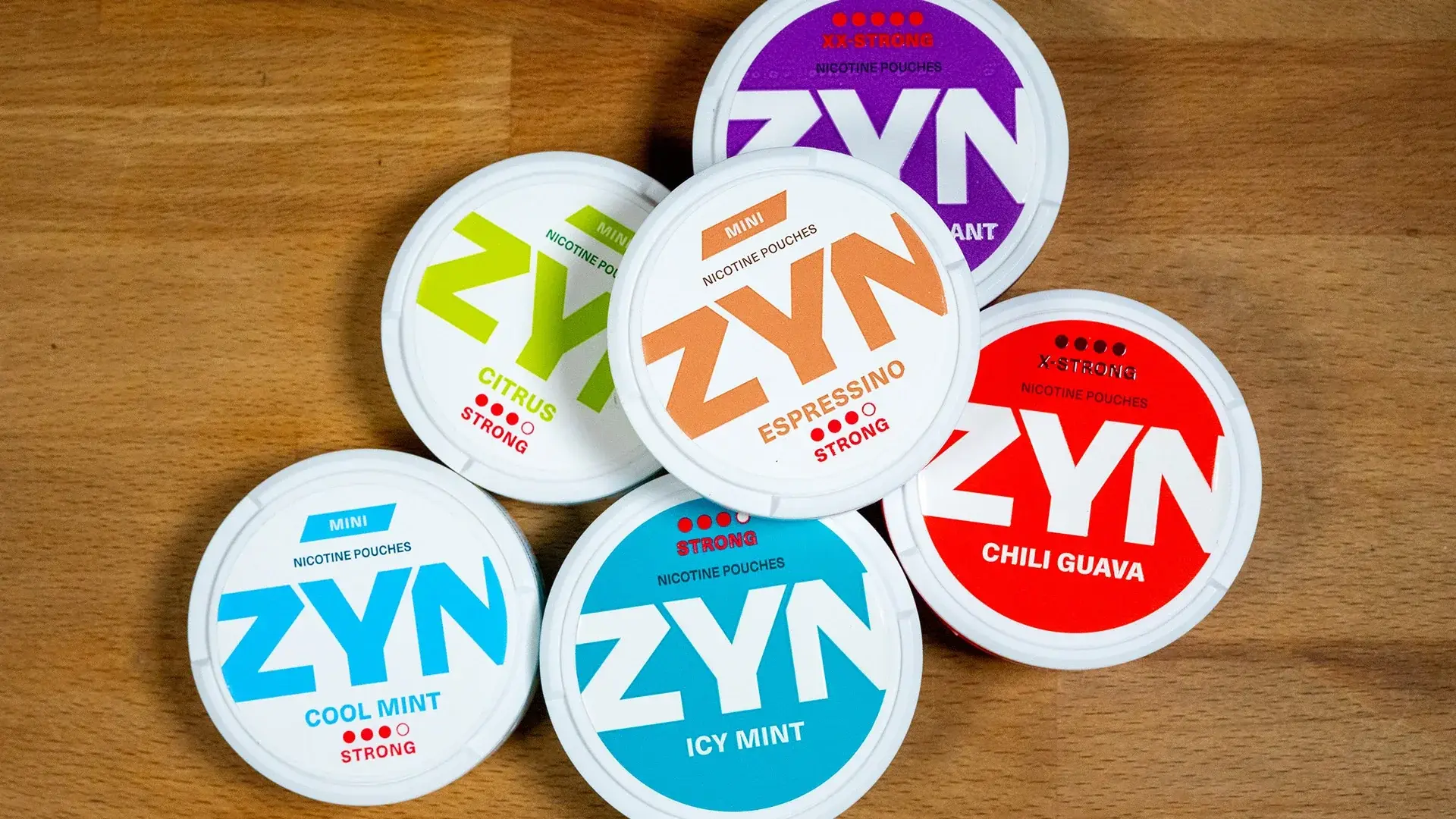
Nicotine pouches have a narrower range. Most brands focus on mint, citrus, berry, and coffee variants. While variety is growing, you won't find the wild creativity of the vape juice market. Pouches tend toward clean, functional flavors rather than complex profiles.
For users who want simple, reliable flavor, pouches are fine. For users who want endless variety, vaping delivers more.
Reliability and maintenance
Nicotine pouches require zero maintenance. Open the can, use a pouch, dispose of it. There's nothing to charge, nothing to refill, and nothing that can break. They work every time without any setup.
Vaping requires device maintenance. Batteries need charging, pods or tanks need refilling, coils burn out and need replacement, and devices occasionally malfunction. Running out of battery or juice at the wrong moment is a common frustration.
For users who want simplicity and reliability, pouches are less hassle. For users who don't mind managing a device, vaping is still relatively low-maintenance compared to many hobbies.
Which one should you choose
Choose nicotine pouches if you want maximum discretion, zero maintenance, no inhalation, and a smoother nicotine delivery curve. Pouches fit best for users who want nicotine to be invisible in their daily life and don't need the ritual of smoking.
Choose vaping if you want faster nicotine delivery, more flavor variety, and a ritual that mimics smoking. Vaping fits best for users transitioning from smoking who want something that feels similar without the combustion.
Some users switch between both depending on context. Vaping at home, pouches at work. Both options are valid harm reduction tools compared to smoking.
The bottom line
Nicotine pouches and vaping are both effective ways to consume nicotine without smoking. Pouches offer discretion, simplicity, and no lung involvement. Vaping offers faster delivery, more ritual, and greater flavor variety. Neither is objectively better. The right choice depends on your priorities, your lifestyle, and what kind of relationship you want with nicotine.