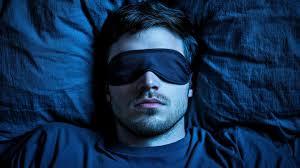
Yes, nicotine pouches can affect your sleep if used too close to bedtime. Nicotine is a stimulant that increases heart rate, elevates cortisol, and delays melatonin production. Using a pouch within 4 hours of sleep has been linked to more frequent nighttime awakenings and reduced sleep quality. The effect varies by individual, but the science is clear that nicotine and good sleep don't mix well.
How nicotine affects sleep
Nicotine stimulates your central nervous system similar to caffeine. When you use a nicotine pouch, your body releases adrenaline and cortisol, the hormones responsible for alertness and the stress response. This is great at 10am when you need to focus at work. It's counterproductive at 10pm when you're trying to wind down.
Melatonin is your body's sleep signal. It rises naturally in the evening to prepare you for rest. Nicotine can delay or suppress this melatonin release, making your brain think it's earlier than it actually is. Even after you remove the pouch, nicotine remains in your system for several hours, continuing to interfere with your natural sleep-wake cycle.
Studies on smokers show they take longer to fall asleep, wake up more often during the night, and spend less time in deep restorative sleep. While most research focuses on cigarettes, the nicotine itself drives these effects. Pouches deliver nicotine without the harmful combustion products, but the stimulant impact on sleep remains. The delivery method may be different, but the nicotine molecule affects your brain the same way regardless of how it enters your body.
The 4-hour rule
Research suggests using nicotine within 4 hours of bedtime is associated with shorter sleep duration and more fragmented rest. One study found that people with existing insomnia symptoms lost over 40 minutes of sleep when using nicotine in the evening. Even people who felt they slept fine showed increased nighttime awakenings when monitored in sleep labs.
The 4-hour buffer gives your body time to metabolize a significant portion of the nicotine before you try to sleep. Your last pouch at 7pm for an 11pm bedtime is a reasonable guideline. Some users find they need an even longer break, while others with high tolerance can get away with less. Start with 4 hours and adjust based on your experience.
Nicotine strength matters for sleep
Higher strength pouches deliver more nicotine, which means more stimulation and longer clearance time. A 3mg pouch affects sleep less than a 6mg pouch used at the same time before bed. If you're having sleep issues and don't want to stop evening use entirely, consider switching to a lower strength for your last pouch of the day.
The nicotine from a pouch typically remains active in your body for 2-4 hours, with residual effects lasting longer. Individual metabolism varies significantly. Some people clear nicotine quickly while others metabolize it slowly. If you're a slow metabolizer, evening nicotine use will affect you more.
What happens if you sleep with a pouch in
Don't do it. Sleeping with a nicotine pouch in your mouth creates several problems. First, the pouch could shift or be swallowed, which can cause nausea and stomach upset. Second, prolonged contact with your gums for 6-8 hours can cause irritation, sores, or sensitivity. Third, you're absorbing nicotine continuously throughout the night, disrupting your sleep architecture even if you don't consciously wake up.
Nicotine pouches are designed for 20-60 minutes of use, not overnight sessions. If you're tempted to sleep with one in because of nighttime cravings, that's a sign of dependence that's worth addressing rather than accommodating.
Why some people use pouches at night
Some users report that a pouch before bed actually helps them relax. This is misleading. What they're experiencing is relief from nicotine withdrawal, not genuine relaxation. Regular nicotine users develop mild withdrawal symptoms as nicotine levels drop, including irritability and restlessness. Using a pouch relieves those symptoms, which feels calming. But it's solving a problem that nicotine itself created.
The relaxation paradox means the pouch feels helpful even though it's physiologically working against sleep. Breaking this cycle requires pushing through the initial discomfort of not using nicotine in the evening. After a week or two, your body adjusts and the false need for a nighttime pouch fades.
Tips for better sleep as a pouch user
Set a cutoff time and stick to it. Four hours before bed is the baseline recommendation. Put away your pouch can after your last one and don't revisit it until morning. Creating a physical barrier helps reinforce the habit. Some users find keeping their can in a different room after the cutoff makes compliance easier.
Switch to lower strength for evening use if you currently use high-strength pouches throughout the day. A 3mg pouch at 6pm affects sleep less than a 6mg pouch at the same time. You can maintain your preferred strength during the day while reducing evening impact. This compromise lets you continue using pouches in the evening while minimizing sleep disruption.
Stay hydrated because nicotine can cause dry mouth, which itself disrupts sleep quality. Drink water throughout the day and especially after your evening pouch. Avoid alcohol close to bedtime as it compounds nicotine's sleep effects. While alcohol may feel relaxing, it actually fragments sleep and combines poorly with nicotine's stimulant properties.
Don't use nicotine in bed. Using pouches while lying in bed trains your brain to associate the bedroom with stimulation rather than sleep. Keep your nicotine use confined to other areas of your home. This behavioral separation helps your brain recognize the bedroom as a sleep-only zone.
Consider tracking your sleep for a week with and without evening pouch use. Many people don't realize how much nicotine affects their rest until they see objective data. Sleep tracking apps or wearables can reveal patterns you might not notice otherwise. Some users on pouchdb.net share their experiences with sleep and pouches, which can provide helpful perspective.
Does tolerance affect sleep impact
Regular nicotine users develop tolerance to many of nicotine's effects, but sleep disruption doesn't disappear entirely with tolerance. Long-term users may not notice acute stimulation the way new users do, but studies show their sleep architecture is still affected. They spend less time in deep sleep and experience more micro-awakenings even when they feel like they slept well.
This creates a paradox where experienced users feel their sleep is fine but objective measurements show otherwise. If you've been using pouches for years and think nighttime use doesn't affect you, try eliminating evening use for two weeks and see if you feel more rested. Many long-term users are surprised by how much better they sleep once they establish a cutoff time.
Withdrawal and sleep
Nicotine withdrawal can also disrupt sleep, which complicates the picture. When you stop using nicotine, especially abruptly, you may experience insomnia, restlessness, and difficulty falling asleep for the first few days. This can make it seem like nicotine was helping you sleep when actually it was preventing withdrawal symptoms.
If you're trying to establish a pre-bed cutoff and experiencing worse sleep initially, give it at least a week before concluding it's not working. Your body needs time to adjust to lower evening nicotine levels. The first few nights may be rough, but most users report improved sleep quality after the adjustment period.
The bottom line
Nicotine pouches can negatively affect sleep when used within 4 hours of bedtime. Nicotine is a stimulant that increases alertness, delays melatonin, and disrupts sleep architecture. Higher strength pouches have greater impact than lower strengths. Never sleep with a pouch in your mouth. If you're experiencing sleep problems, try cutting off nicotine use 4+ hours before bed, switching to lower strength evening pouches, and avoiding use in the bedroom. Most users find that limiting evening nicotine improves both sleep quality and how effective their first morning pouch feels.