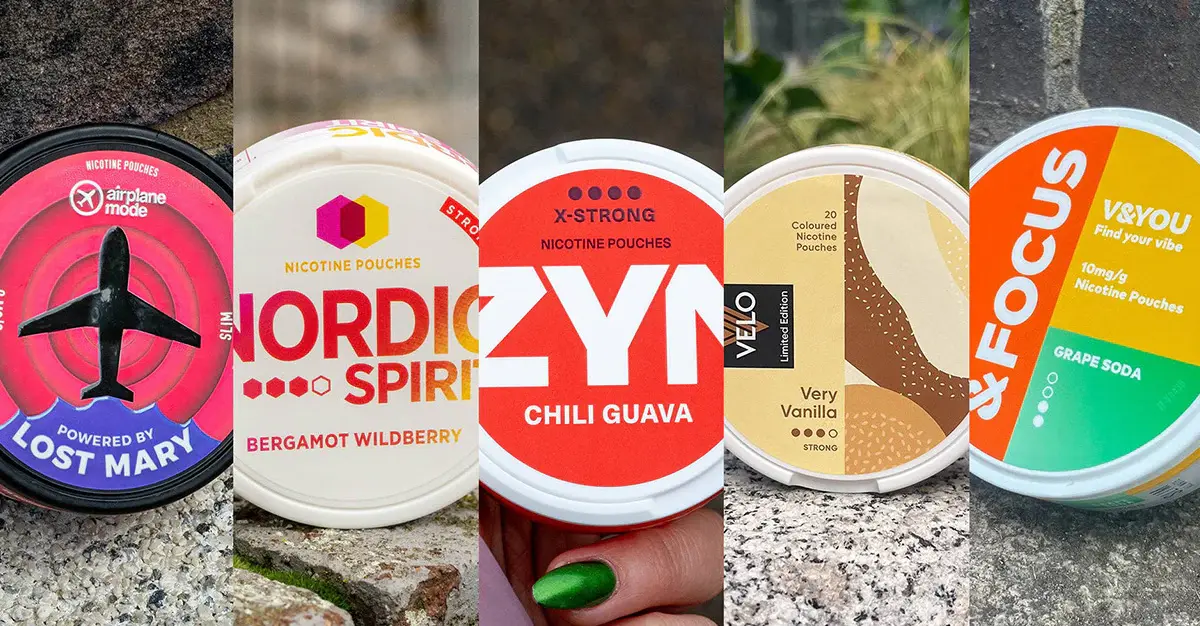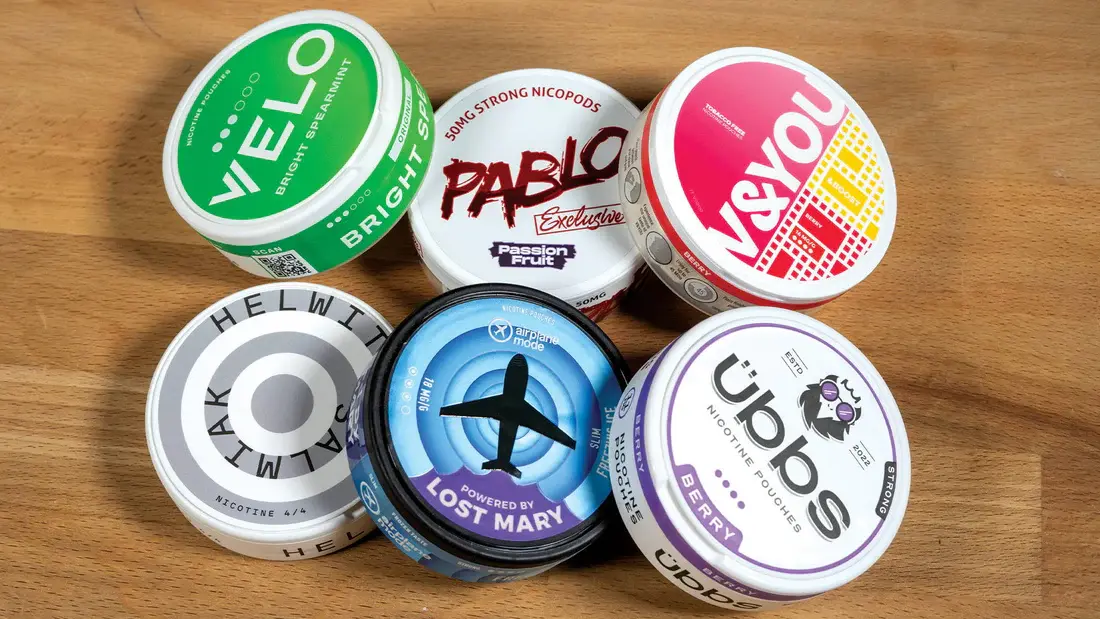
Choosing the right nicotine strength is the single most important decision when using nicotine pouches. Get it right, and the experience feels smooth, controlled, and satisfying. Get it wrong, and people either feel sick and quit immediately, or feel nothing and assume nicotine pouches “don’t work.” This guide exists to prevent both outcomes.
Nicotine strength is not about toughness or tolerance flexing. It’s about matching delivery speed, total dose, and your personal nicotine history so your brain gets just enough without overshooting.
What “nicotine strength” actually means
When a pouch says 2 mg, 6 mg, or 12 mg, that number refers to the total amount of nicotine contained in one pouch, measured in milligrams. It does not mean that all of that nicotine instantly enters your bloodstream. Absorption happens gradually through the gum over time, and the speed depends on pouch moisture, pH level, and how long you keep it in.
This is why two pouches with the same milligram rating can feel very different. A moist pouch with a higher pH releases nicotine faster and feels stronger earlier. A dry pouch releases more slowly and feels milder, even at the same labeled strength.
For beginners, this nuance matters less than the big picture: start low, then adjust.
Why beginners almost always choose too strong
People switching from cigarettes or vaping often assume they need a high-strength pouch because smoking “hit hard.” But cigarettes deliver nicotine in sharp spikes through the lungs, while pouches deliver it gradually through the gums. The sensation is different, not weaker.
If you jump straight to a high-strength pouch, the nicotine accumulates faster than your body expects, which can cause nausea, dizziness, sweating, hiccups, or a sudden urge to remove the pouch after five minutes. That’s not your body being weak; it’s your nervous system saying “too much, too fast.”
On the other hand, starting too low doesn’t cause harm, it just causes mild disappointment. That’s why low-first is the correct strategy.
The strength ranges, explained simply
2 mg – Very light / ultra-beginner
This range is ideal for people who have never used nicotine regularly, or who quit long ago and want to experiment cautiously. It’s also suitable for extremely light former smokers or social users. The effect is subtle: mild focus, light calming, minimal buzz. Many people barely feel it at first, but that’s exactly the point.
4 mg – Beginner sweet spot
For most beginners coming from light smoking or occasional vaping, 4 mg is the safest and most forgiving starting point. It delivers noticeable craving relief without overwhelming the system. If someone asks “what should I start with?” and you know nothing else about them, this is the most reliable answer.
6 mg – Moderate / regular nicotine users
This strength suits people who smoked regularly, vaped daily, or already have some nicotine tolerance. The effect is clearly noticeable but still manageable. For many users, this becomes the long-term daily strength once they dial things in.
9 mg – Strong
This is where nicotine pouches stop being beginner-friendly. 9 mg is typically used by heavy former smokers or experienced pouch users who know exactly what they’re doing. The onset can be intense, especially with moist pouches, and beginners often feel unpleasant side effects at this level.
12 mg and above – Very strong / advanced only
High-strength pouches exist for people with high tolerance, often former heavy smokers or snus users. These are not “better,” they’re simply stronger. For new users, this range almost always results in nausea and a bad first impression.
Matching strength to your nicotine history
If you recently smoked fewer than five cigarettes a day, or vaped lightly, you should almost certainly start at 2–4 mg. If you smoked half a pack a day or vaped regularly, 4–6 mg is a reasonable range. If you were a heavy smoker, especially unfiltered or high-nicotine cigarettes, 6 mg may make sense, but jumping straight to 9 mg is rarely necessary.
Former snus users often tolerate higher strengths more easily because they are already accustomed to oral nicotine absorption. Even then, starting slightly lower than expected and adjusting upward is smarter than overshooting.
Signs your strength is too high
Your body is very clear when nicotine intake exceeds what it wants. Common signs include nausea, lightheadedness, sweating, jaw tension, hiccups, stomach discomfort, or a sudden feeling of “this was a mistake.” These symptoms usually appear within the first five to ten minutes.
If this happens, remove the pouch immediately and drop down a strength next time. Do not try to “power through.” Tolerance develops over time, not in one session.
Signs your strength is too low
Low strength doesn’t cause harm, but it can cause frustration. You may feel no craving relief, no focus, or a need to use pouches back-to-back. If you find yourself constantly replacing pouches or feeling unsatisfied after twenty minutes, that’s a sign you can move up slightly.
The goal is one pouch providing relief for a reasonable duration, not constant stacking.
Frequency matters as much as strength
Nicotine intake is not just about milligrams per pouch, but about how often you use them. A 4 mg pouch every hour can deliver more total nicotine over a day than a 9 mg pouch used occasionally. Many people accidentally escalate their intake not by choosing stronger pouches, but by increasing frequency.
If you notice yourself using pouches more often than expected, pause before increasing strength. The solution may be spacing them out, not going stronger.
Strength, format, and moisture interact
Slim and mini pouches often feel milder than regular ones, even at the same nicotine level, because they contain less material and distribute differently. Moist pouches feel stronger earlier, while dry pouches feel smoother and longer-lasting.
For beginners, slim or mini formats at lower strengths dramatically reduce the chance of overdoing it.
Can you build tolerance over time?
Yes. With regular use, tolerance increases gradually. What felt strong at first may feel normal weeks later. This is expected. The mistake is chasing the initial “buzz” instead of aiming for steady satisfaction. Increasing strength should be a deliberate choice, not an emotional reaction to reduced sensation.
Many long-term users actually cycle strengths, using lower ones during the day and higher ones only when cravings peak.
Using strength strategically
Some people successfully use nicotine pouches as a step-down tool. They start higher to replace smoking, then gradually reduce strength over weeks or months. Others stabilize at one level long-term and simply enjoy the convenience and reduced harm.
Both approaches are valid. What matters is awareness and control.
The bottom line
There is no “correct” nicotine strength in absolute terms. There is only the strength that fits your body, history, and goals. Beginners should start lower than they think, experienced users should resist ego-driven escalation, and everyone should pay attention to how their body responds.
If you remember one rule, make it this: feeling slightly underwhelmed is fixable; feeling sick is not progress.