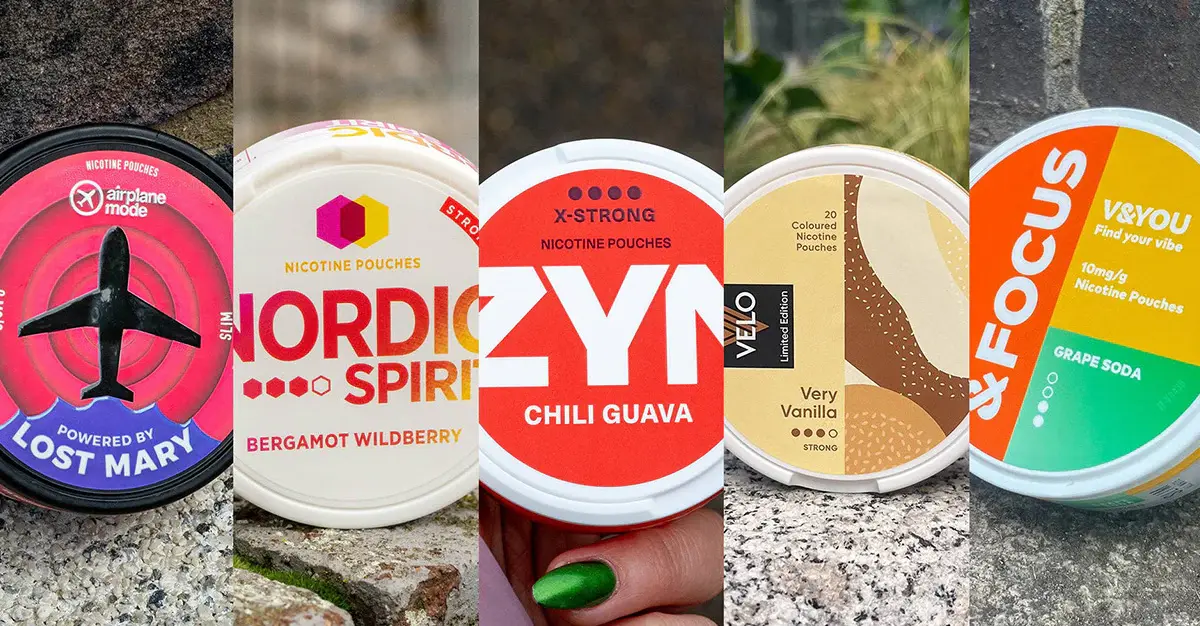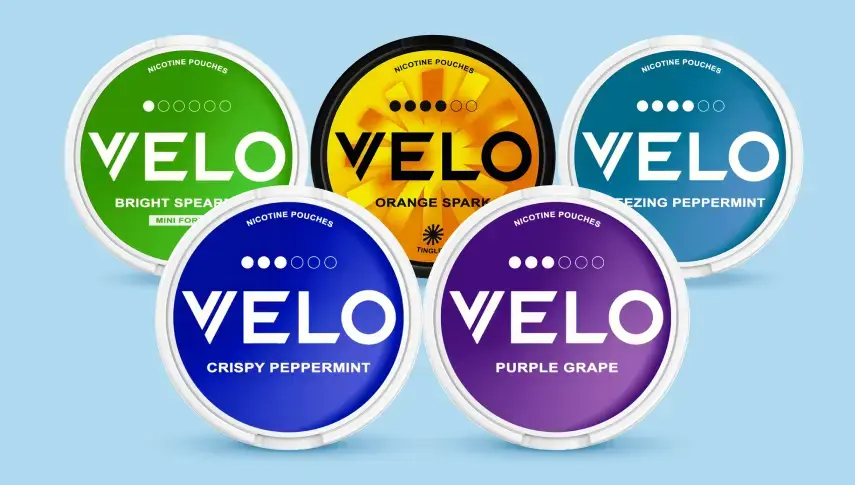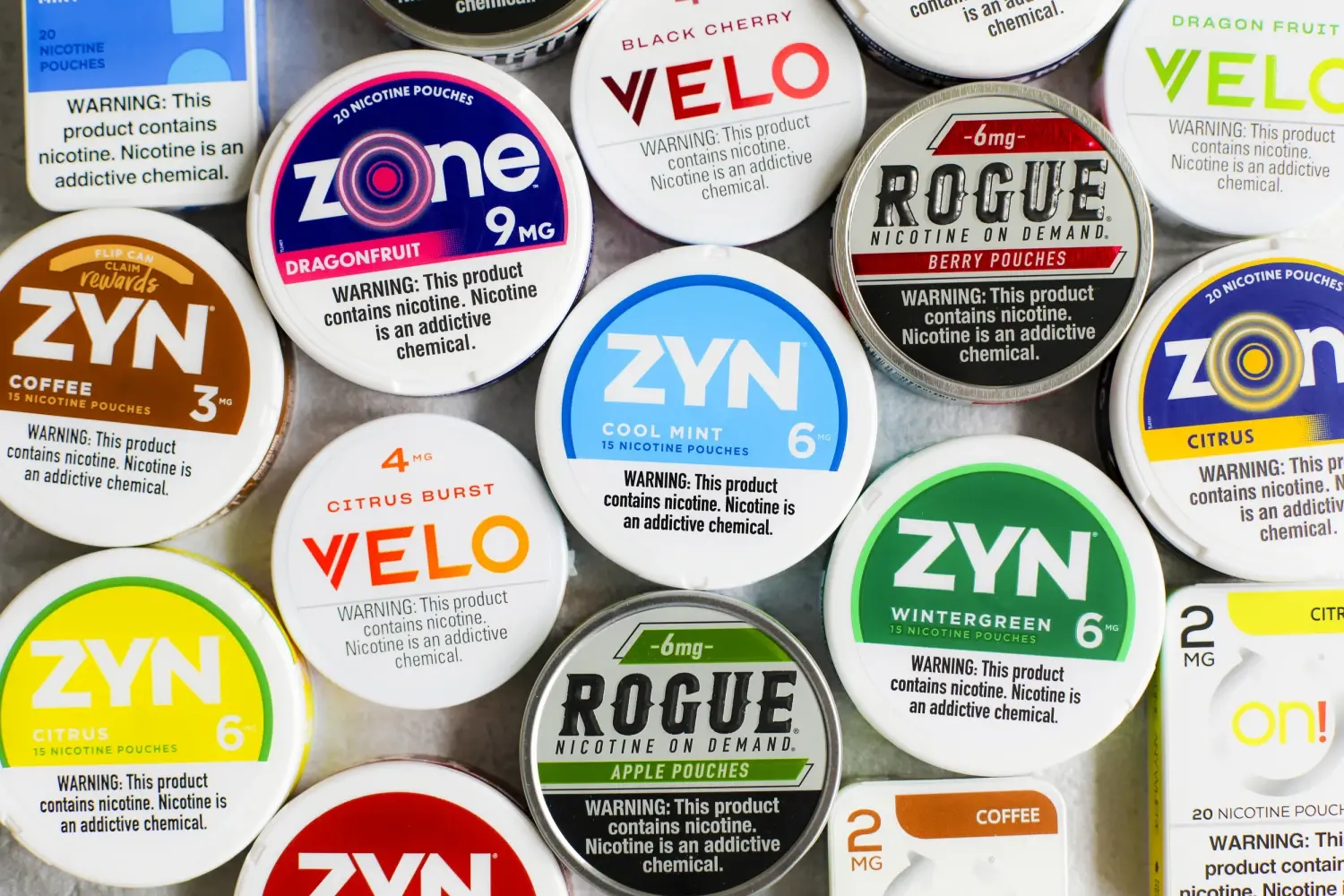
Nicotine pouches have gone from a niche Scandinavian product to a global category in just a few years. By 2026, they are no longer “new” or experimental; they are a mainstream nicotine format used by millions of people who want nicotine without smoke, vapor, or tobacco leaf. This guide is written for people who are either completely new to nicotine pouches or who have tried them casually and want to properly understand what they are, how they work, and whether they make sense for them.
What nicotine pouches actually are
Nicotine pouches are small, white, tobacco-free pouches designed to be placed under the upper lip. Unlike traditional snus, they contain no tobacco leaf. Instead, they use pharmaceutical-grade nicotine, plant-based fibers, flavorings, sweeteners, and pH buffers. The pouch slowly releases nicotine through the oral mucosa, delivering it into the bloodstream without combustion, vapor, or inhalation.
This distinction matters. Because there is no burning and no aerosol, nicotine pouches do not produce smoke, vapor, ash, or smell that lingers in a room. The flavor is subtle, the usage is discreet, and the pouch can be used almost anywhere without drawing attention.
How nicotine pouches work in the body
When a pouch is placed under the upper lip, moisture from saliva activates the pouch. Nicotine begins to diffuse through the gum tissue and enters the bloodstream directly. This delivery method is slower than smoking but often faster and more consistent than chewing gum or lozenges.
The experience usually follows a predictable curve. In the first few minutes, users feel a mild tingling sensation as the nicotine and pH buffers activate. After that, nicotine levels rise gradually and stabilize, producing alertness, focus, and craving relief. Most people keep a pouch in for twenty to sixty minutes, depending on strength and personal preference.
Because the delivery is steadier and lacks sharp spikes, many users report that nicotine pouches feel “cleaner” or more controlled compared to cigarettes or vaping.
Nicotine pouches vs other nicotine products
Compared to cigarettes, nicotine pouches eliminate combustion entirely, which removes tar, carbon monoxide, and thousands of byproducts created by burning tobacco. Compared to vaping, there is no inhalation, no lung exposure, and no dependency on devices, batteries, or liquids.
Compared to traditional snus, nicotine pouches are tobacco-free, which reduces exposure to tobacco-specific nitrosamines. Compared to nicotine gum or lozenges, pouches require less active chewing or sucking and tend to deliver nicotine more evenly over time.
Each format still contains nicotine, which is addictive, but the delivery method changes both the risk profile and the user experience.
What’s inside a nicotine pouch
Although recipes vary by brand, most nicotine pouches share the same core components. Nicotine is either synthetic or tobacco-derived but purified. Plant-fiber fillers give the pouch structure and allow controlled release. Flavorings create taste, often mint-based but increasingly fruit, coffee, or neutral profiles. Sweeteners are typically non-sugar compounds that do not promote tooth decay. pH buffers adjust alkalinity to optimize nicotine absorption.
The absence of tobacco leaf is what keeps the pouches white and prevents staining, which is one of the main reasons people switch from snus or smoking.
Strengths, formats, and sizes explained simply
Nicotine pouches come in different strengths, usually measured in milligrams per pouch. Beginners often start around two to four milligrams, while experienced users may go higher. The strength affects not just intensity but also how long the pouch feels satisfying.
Formats matter too. Slim pouches sit flatter and are more discreet. Mini pouches are smaller and often favored by beginners. Regular or large pouches hold more material and can feel stronger even at the same nicotine level.
Moisture level also changes the experience. Moist pouches release nicotine faster and feel stronger sooner, while dry or “white” pouches release more slowly and last longer.
Who nicotine pouches are for
Nicotine pouches are most commonly used by former smokers, former vapers, or current nicotine users looking for a cleaner, more discreet alternative. They are also popular among people who want to avoid inhalation entirely or who live or work in environments where smoking and vaping are impractical.
They are not designed for people who have never used nicotine and do not want to start. While some people do experiment out of curiosity, nicotine remains addictive, and starting without a reason is generally not advisable.
Common beginner mistakes
New users often choose a strength that is too high, leading to nausea or dizziness. Others place the pouch incorrectly, moving it around constantly instead of letting it sit. Some expect the instant hit of a cigarette and assume pouches are “not working” when the onset is simply slower.
Understanding that nicotine pouches are about steady delivery rather than spikes helps set realistic expectations and improves the experience dramatically.
Are nicotine pouches legal and regulated?
In most markets, nicotine pouches are legal but regulated differently from tobacco or vaping products. Rules vary by country and sometimes by state. Age restrictions almost always apply, and labeling requirements are becoming stricter each year. By 2026, many regions treat nicotine pouches as a distinct category with their own compliance standards.
Because regulation is evolving, availability and strength limits can differ significantly depending on where you live.
Do nicotine pouches stain teeth or damage gums?
Because nicotine pouches contain no tobacco leaf and are white, they do not cause the brown staining associated with smoking or traditional snus. Some users experience temporary gum irritation, especially when starting or when using high-strength pouches. Rotating placement and choosing appropriate strength usually reduces this.
Dentists generally view nicotine pouches as less harmful to oral health than smoking, but they are not completely neutral. Good oral hygiene still matters.
Addiction, tolerance, and responsible use
Nicotine pouches can still create dependence. Over time, frequent use may increase tolerance, leading users to choose higher strengths. Responsible use means being mindful of how often you use pouches and whether your intake is creeping upward.
Many people successfully use nicotine pouches as a harm-reduction step or as a bridge toward reducing nicotine altogether. Others choose them as a long-term alternative to smoking or vaping. Both approaches are common.
Environmental and lifestyle considerations
Used pouches are solid waste and should be disposed of properly, not flushed. Many cans include a used-pouch compartment for this reason. From a lifestyle perspective, pouches are popular because they are silent, odorless, and socially unobtrusive, which fits modern work and travel environments.
The bottom line
Nicotine pouches are a modern nicotine delivery system designed for discretion, control, and reduced exposure compared to smoking or vaping. They are not risk-free, but for many adults they represent a significant harm-reduction option. Understanding how they work, choosing the right strength, and using them intentionally makes a huge difference in whether they feel like a smart tool or an unpleasant experiment.
If you’re new, start low, be patient with the onset, and pay attention to how your body responds. Nicotine pouches reward moderation and understanding far more than brute force.