Safe is a loaded word with nicotine pouches, because people usually mean one of two things. Some mean, are these harmless, and others mean, are these safer than smoking or vaping. The science supports a clear answer to the second question, and a much more cautious answer to the first.
Nicotine pouches are not harmless, mainly because nicotine is addictive and has real physiological effects. But nicotine pouches are generally expected to be substantially lower-risk than combustible cigarettes, because they avoid combustion and in most products contain far fewer toxicants than smoke. That doesn't automatically make them a good idea for everyone, and it especially doesn't make them a good idea for people who don't already use nicotine.
What follows is the most honest, evidence-based way to think about safety in 2026: what we know, what we don't know yet, and what lower risk actually means in practice.
What nicotine pouches are, in risk terms
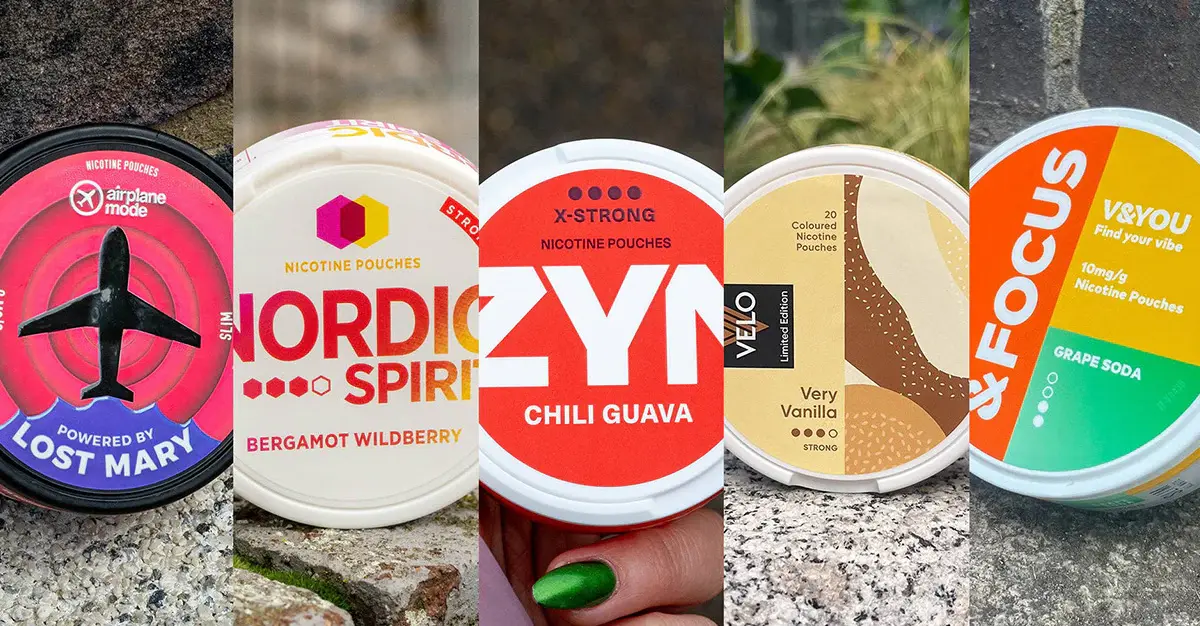
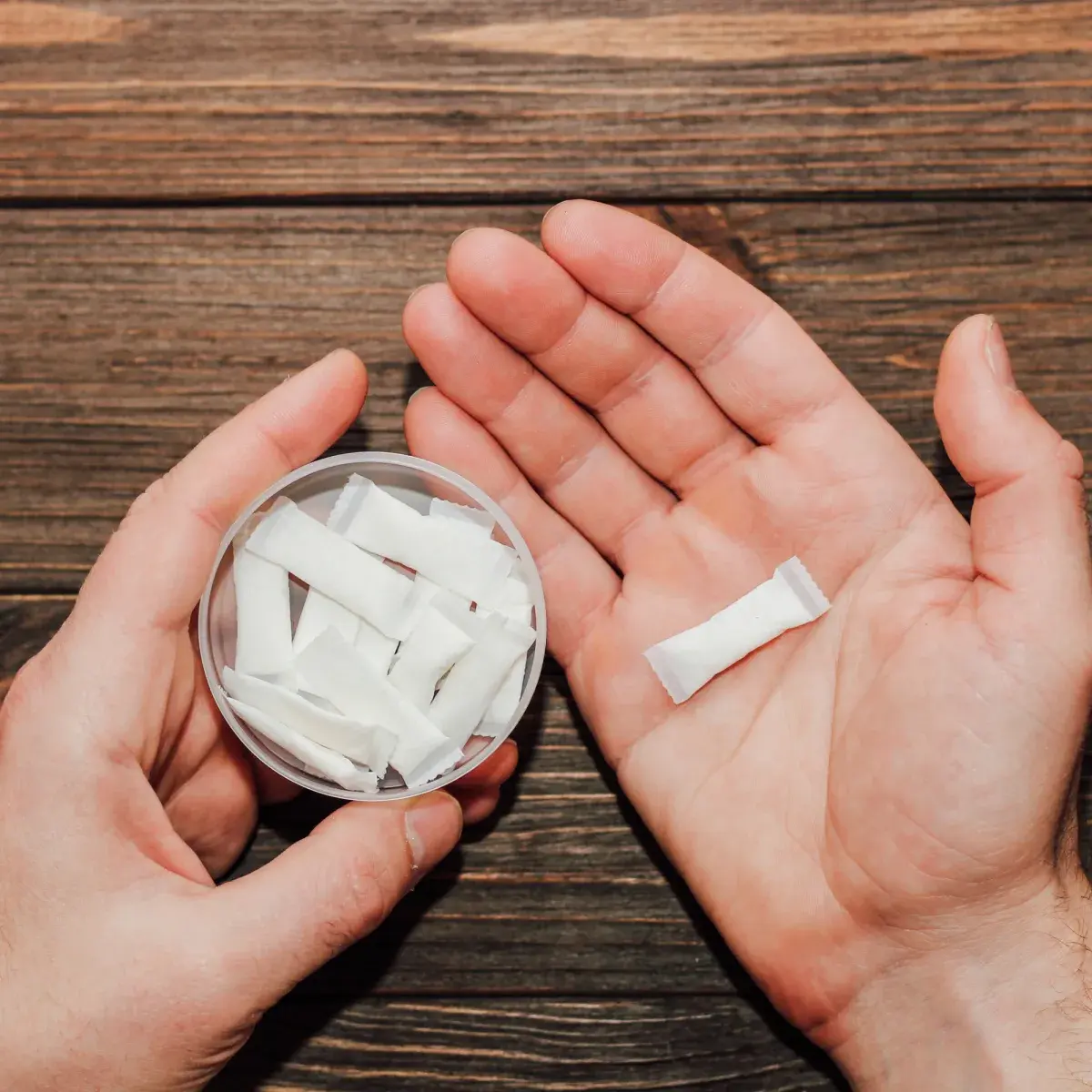
Nicotine pouches are small oral pouches placed under the lip. They usually contain purified nicotine, plant-based fibers, flavorings, sweeteners, and pH adjusters. There's no tobacco leaf in tobacco-free nicotine pouches, and there's no smoke or inhaled aerosol. That alone removes a huge part of smoking's danger, because the biggest killers from cigarettes come from inhaling combustion products like tar, carbon monoxide, and thousands of chemicals created by burning tobacco. The main question becomes: what risks remain when you remove smoke, but keep nicotine and continuous oral exposure?
What the FDA has actually said
In the U.S., nicotine pouches fall under the FDA's tobacco product authority when the nicotine is tobacco-derived, and products need authorization to be legally marketed. In January 2025, the FDA authorized marketing of 20 specific ZYN nicotine pouch products via the PMTA pathway, describing them as nicotine pouches and concluding that authorizing them was appropriate for the protection of public health based on its review. In December 2025, the FDA also authorized six on! PLUS nicotine pouch products, and it published a page listing nicotine pouch products it has authorized. Two huge caveats are worth stating plainly. First, authorized to market is not the same thing as approved as safe. It means the FDA determined, based on the evidence submitted, that allowing these specific products to be sold is appropriate under the public-health standard used for tobacco products. Second, these decisions are product-specific. The fact that some pouches were authorized does not automatically apply to every pouch brand and every strength on the internet. Still, FDA authorization is a meaningful signal that the agency reviewed toxicology, manufacturing, and population-level considerations for those specific products.
Absolute risk vs relative risk
If you want a clean mental model, think in two layers. Absolute risk is what could this do to my health, period. Relative risk is how does this compare to the thing I would otherwise do, like smoking. For a never-user of nicotine, the baseline risk is already low. Adding nicotine pouches adds addiction risk and potential side effects. For a smoker, the baseline risk is already high. Switching to a non-combustible product can reduce exposure to many of the chemicals most strongly linked to cancer and lung disease. That's why harm reduction arguments exist.
Toxicants and cancer-related exposure
Combustible cigarettes are the outlier here. Their danger is driven by combustion products and chronic inhalation. Nicotine pouches, by contrast, tend to contain far fewer harmful and potentially harmful constituents compared to cigarettes in lab testing, although the exact profile varies by product. One study that screened multiple oral nicotine products including nicotine pouches reported that many targeted harmful constituents were either not detected or were present at much lower levels than in combustible products. A major concern with oral tobacco products historically has been tobacco-specific nitrosamines, which are strongly linked to cancer risk and are present in many tobacco-containing products. A 2024 Tobacco Control paper specifically assessed nicotine and screened for TSNAs in oral nicotine pouches, contributing to the broader understanding that these products can differ meaningfully from traditional smokeless tobacco on key carcinogen markers. Here's the honest bottom line on cancer: based on chemistry and exposure pathways, nicotine pouches are widely expected to be lower risk than smoking for cancer, because they avoid combustion and usually reduce exposure to many carcinogens found in smoke. But long-term epidemiological data on nicotine pouches themselves is still limited because the category is relatively new in its modern form, especially in large markets. If you're looking for a cautious, science-aligned statement, it's this: lower exposure to known carcinogens is a good sign, but it's not the same as decades-long outcome data.
Cardiovascular risk
Even when you remove smoke, nicotine remains a pharmacologically active drug. It stimulates the sympathetic nervous system, can raise heart rate and blood pressure acutely, and can affect blood vessels. In 2025, the American Heart Association published a scientific statement on smokeless oral nicotine products, noting that they are addictive and that their use has potential adverse effects on some though not all biomarkers of cardiovascular risk. This is why the safe question changes depending on who you are. If you have uncontrolled hypertension, heart disease, arrhythmias, or you're at high cardiovascular risk, nicotine products in general deserve extra caution and ideally clinician input. That doesn't automatically mean pouches are worse than smoking, they're likely not, but it does mean tobacco-free does not equal risk-free.
Oral health
Because pouches sit against the gum for extended periods, oral effects are among the most frequently discussed concerns. A 2024 paper focused on the impact of nicotine pouches on oral health describes why the oral mucosa is a central concern: prolonged contact with mucosa and potentially high nicotine exposure through that tissue. Dental-focused reviews also note that oral nicotine products can cause relatively minor side effects such as soreness, ulcers, hiccups, and irritation, and they emphasize that nicotine itself has a long history in oral nicotine replacement therapies, although pouches are not identical to NRT in formulation or use patterns. What's tricky is that the strongest claims, either they destroy your gums or they're totally fine, tend to outrun the evidence. A core theme across recent literature is that more independent, long-term research is needed, and existing studies vary in quality and design. In practical terms, many users experience some combination of gum irritation, localized soreness, or sensitivity, especially early on or with frequent use. Rotating placement, choosing a lower strength, and not keeping pouches in for extreme durations tends to reduce these issues. If you notice persistent lesions, recession, or pain, that's a stop-and-check moment with a dental professional.
Addiction and dependence
Nicotine is addictive. That is not controversial science; it's the defining feature of the category. The addiction risk depends on dose, speed of delivery, and frequency. Some nicotine pouches deliver nicotine efficiently enough to satisfy smokers, which is exactly why they can function as a harm-reduction substitute. But that same property also creates a real risk of dependence, especially with high-strength products and constant use throughout the day. A public-health review in Nicotine and Tobacco Research in 2025 framed oral nicotine pouches as potentially less toxic than cigarettes and capable of delivering comparable nicotine, while also flagging concerns about marketing and youth uptake and the need for more independent data. If someone asks what's the most dangerous thing about pouches, the most defensible answer is: dependence can sneak up on you because the product is convenient and discreet.
Pregnancy, adolescents, and people who should be extra cautious
There are a few groups where the don't advice is much stronger, regardless of the harm reduction discussion. For adolescents and young adults, the concern is not just health effects but neurodevelopment and long-term addiction risk. Surveillance data show that youth nicotine pouch use exists and includes a meaningful portion of frequent or daily users. For pregnancy, nicotine exposure is generally discouraged because of fetal and placental considerations. This is not pouch-specific; it's nicotine-specific. If someone is pregnant and currently smoking, a clinician-guided plan is the right path, because the relative-risk calculus can change, but self-directing nicotine use during pregnancy is not a casual decision. For people with significant cardiovascular disease or uncontrolled blood pressure, nicotine can be problematic, and the AHA statement is a useful anchor for that caution.
Youth uptake and regulation
Even if you personally use pouches as an adult harm-reduction tool, the population-level picture includes youth exposure and marketing concerns. A CDC MMWR report using National Youth Tobacco Survey data indicated measurable nicotine pouch use among middle and high school students in 2024, and it reported that a substantial share of current youth users used them frequently or daily. Separately, the CDC Foundation highlighted data suggesting nicotine pouch use among youth and young adults has surged in recent years, nearly quadrupling between 2022 and 2025 based on TEEN+ study reporting. This matters because it shapes regulation, availability, flavors, and public perception. The category can simultaneously be a harm-reduction pathway for adult smokers and a new nicotine on-ramp for teens. Any honest are they safe piece has to hold both truths at once.
So, are nicotine pouches safe
If you mean safe like water, no. Nicotine is addictive and physiologically active. Oral exposure can irritate gums. People with cardiovascular risks should be cautious. Youth and pregnancy are high-concern contexts. If you mean safer than smoking, the evidence base and the toxicant logic strongly point to yes, for most adult users who would otherwise smoke, because the biggest drivers of smoking harm come from combustion and inhalation, and pouches avoid that. The FDA has explicitly authorized marketing of specific nicotine pouch products after scientific review, and broader scientific reviews generally describe lower toxicant exposure than cigarettes, while emphasizing remaining uncertainties and the need for more independent long-term outcome data.
Practical guidance that matches the science
If you're a non-nicotine user, the healthiest option is not to start. The main safety risk for you is building dependence on a drug you didn't previously need. If you're currently smoking and you're trying to reduce harm, switching completely away from combustion is where the biggest benefits likely are. Dual use, smoking plus pouches, blunts that benefit because you're still inhaling smoke. If you choose to use pouches, you can reduce your downside by staying at the lowest effective strength, spacing use rather than chaining pouches, and paying attention to gum irritation. And if you have heart disease, uncontrolled blood pressure, or you're pregnant, it's worth treating nicotine like a real drug decision rather than a lifestyle accessory. That's the evidence-based stance in 2026: pouches are likely a meaningfully lower-risk nicotine delivery method than cigarettes, but they are not a health product, and tobacco-free is not a synonym for safe.